
Reframing the Texas Data Center Story
Part One
November 20, 2025
DATA CENTERS & THE TEXAS PENDULUM SWING OF PUBLIC SENTIMENT
Texas has always run on energy — not just the kind that powers the grid, but the kind that powers its people: ambition, independence, and a belief that progress and production go hand in hand. For more than a century, oil and gas were the state’s economic and cultural backbone — industries woven into identity, politics, and pride. Energy infrastructure wasn’t just accepted here; it was celebrated. Texans built it, worked it, and defended it.
That history still shapes the way Texans view every new phase of development. When renewables arrived - first wind, then solar - they were seen as newcomers to a long-established order. What began two decades ago with broad public enthusiasm for wind energy has gradually transformed into a more skeptical, localized conversation around land use, transmission, and fairness. As the state has moved from wind to solar, to battery storage, and now to energy-intensive data centers, community expectations, and the political risk, have grown more complex.
The Data Center Frontier
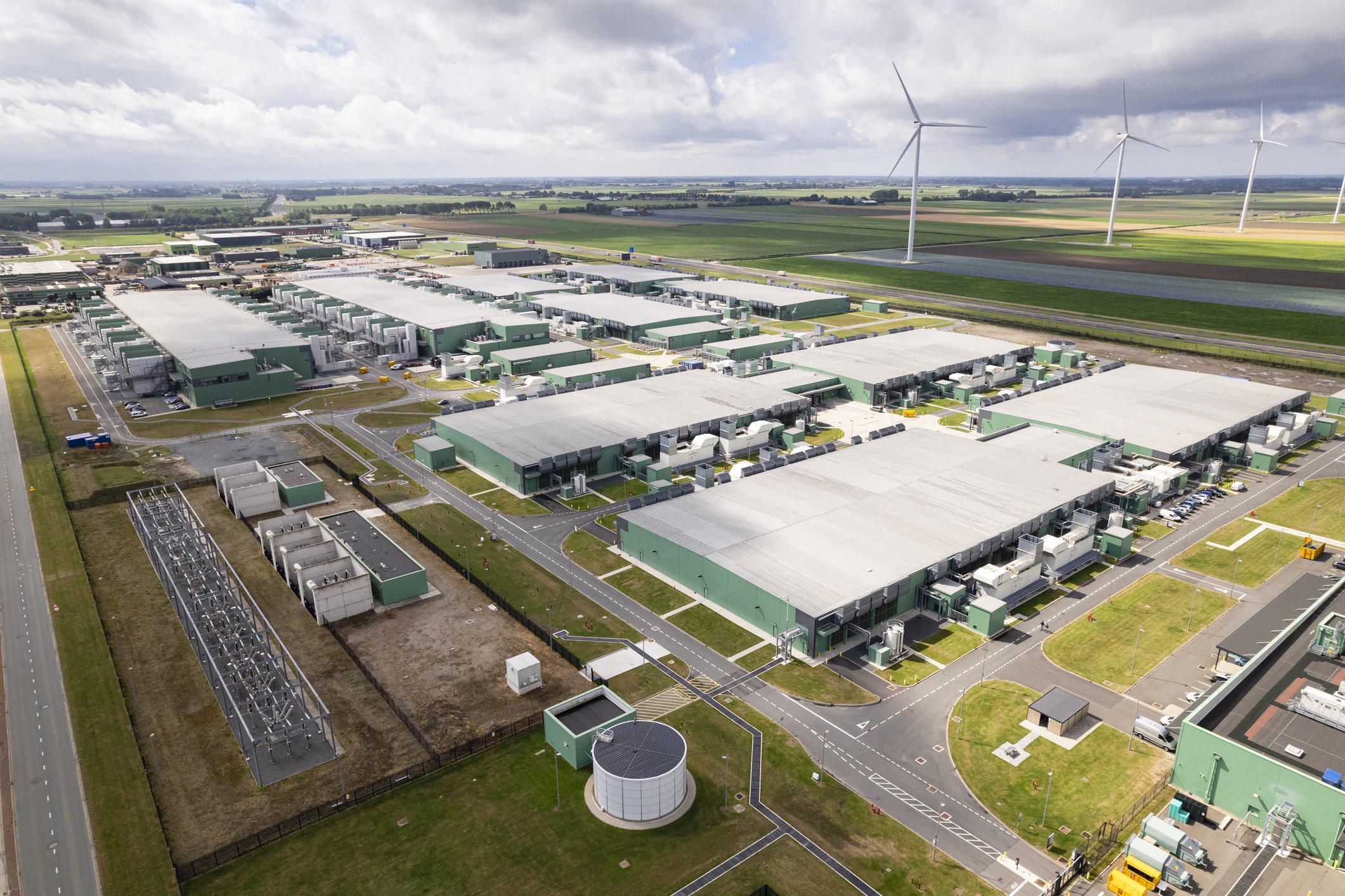
As data centers rise in visibility and scale, they face the same scrutiny that renewables encountered when they first arrived: skepticism about fairness and control, compounded by a lack of public understanding about what they do and the benefits they deliver.
Many companies are charging ahead under the assumption that Texas’s pro-business reputation will shield them from the pushback that derailed energy projects elsewhere. But precedent in the state’s energy sector suggests that once public sentiment reaches a tipping point, the pendulum can swing quickly and decisively. In Texas, local resistance has a way of driving not only county-level permitting slowdowns but also state-level policy and regulatory changes. The growing scrutiny of large electrical loads by ERCOT and the Public Utility Commission of Texas (PUCT), the media focus on water use, and early calls from lawmakers for “transparency and oversight” in large-load development are all indicators of a shift already underway.
Compounding that risk is a profound public knowledge gap. Most Texans have little sense of what a data center actually does. They know it uses power, but not that it keeps hospitals, schools, businesses, and emergency services running. It powers daily life in ways they can’t see. They see the building, not the backbone.
This lack of understanding mirrors the early days of wind and solar, when absence of information left room for fear, rumor, and political mobilization. That gap is not just a communications challenge; it’s an opening.
It’s about explaining that data centers are not simply using Texas’s energy - they are extending its legacy: from oil wells to wind farms, from solar to battery storage, and now to the digital grid that powers everyday life.
Companies that can close the knowledge gap will control the narrative. Those that don’t will be defined by it.
In Texas, the public pendulum swings fast — from enthusiasm to resistance, from trust to oversight. Once it swings, it rarely swings back without cost. The task is to make sure Texans feel that same sense of ownership in this new frontier. The next phase of Texas’s energy evolution will be defined by who can tell this story best. Developers who approach communities with clarity, humility, and verifiable commitments will not only avoid backlash - they will build enduring trust.